

SpaceX loses contact with one of its Starlink satellites
SpaceX has lost contact with Starlink satellite 34343 after it suffered an unspecified anomaly on March 29 while it was in orbit, the company has announced on X. The event happened while the satellite was approximately 348 miles above our planet. Since that is a relatively low altitude, SpaceX’s analysis showed that the remains of the satellite pose no risk to the International Space Station or the upcoming launch of the Artemis II mission. It also won’t affect the company’s Transporter-16 mission, which launched with small satellites from its clients on March 30. In its statement, SpaceX also said that it will monitor any trackable debris, indicating that the satellite is no longer in one piece. LeoLabs, an American company tracking satellites in Low Earth Orbit, said it detected a “fragm
SpaceX has lost contact with Starlink satellite 34343 after it suffered an unspecified anomaly on March 29 while it was in orbit, the company has announced on X. The event happened while the satellite was approximately 348 miles above our planet. Since that is a relatively low altitude, SpaceX’s analysis showed that the remains of the satellite pose no risk to the International Space Station or the upcoming launch of the Artemis II mission. It also won’t affect the company’s Transporter-16 mission, which launched with small satellites from its clients on March 30.
In its statement, SpaceX also said that it will monitor any trackable debris, indicating that the satellite is no longer in one piece. LeoLabs, an American company tracking satellites in Low Earth Orbit, said it detected a “fragment creation event” involving Starlink 34343 on March 29. It also mentioned that this event is similar to another incident that happened on December 17, 2025. SpaceX had lost Starlink satellites to events like geomagnetic storms in the past, but it doesn’t seem like these two recent incidents were caused by external factors. The company has yet to announce what led to the anomalies, but LeoLabs believes that both of them were “likely caused by an internal energetic source rather than a collision with space debris or another object.”
At the moment, the Starlink team is still working on determining the root cause of the incidents. SpaceX said that once it has come to a conclusion, the company will “rapidly implement any necessary corrective actions.”
Sign in to highlight and annotate this article

Conversation starters
Daily AI Digest
Get the top 5 AI stories delivered to your inbox every morning.
More about
launchannouncecompany
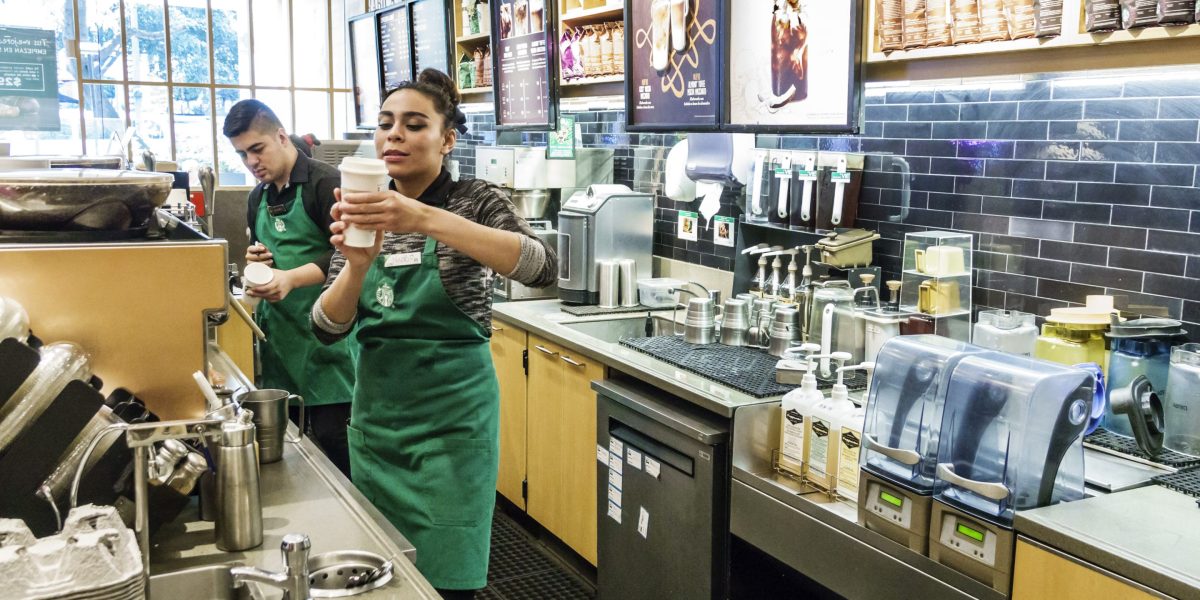
Starbucks is offering $1,200 bonuses, expanded tipping, and weekly payouts to boost the pay of its U.S. baristas
Starbucks will offer up to $1,200 in bonuses each year and expanded tipping options for its U.S. hourly workers as the company pours $500 million into a turnaround effort.
Knowledge Map
Connected Articles — Knowledge Graph
This article is connected to other articles through shared AI topics and tags.
More in Releases

The Axios supply chain attack used individually targeted social engineering
The Axios team have published a full postmortem on the supply chain attack which resulted in a malware dependency going out in a release the other day , and it involved a sophisticated social engineering campaign targeting one of their maintainers directly. Here's Jason Saayman'a description of how that worked : so the attack vector mimics what google has documented here: https://cloud.google.com/blog/topics/threat-intelligence/unc1069-targets-cryptocurrency-ai-social-engineering they tailored this process specifically to me by doing the following: they reached out masquerading as the founder of a company they had cloned the companys founders likeness as well as the company itself. they then invited me to a real slack workspace. this workspace was branded to the companies ci and named in a
Discussion
Sign in to join the discussion
No comments yet — be the first to share your thoughts!