
VCs are betting billions on AI’s next wave, so why is OpenAI killing Sora?
When an 82-year-old Kentucky woman was offered $26 million from an AI company that wanted to build a data center on her land, she said no. Sure, that same company can try to rezone 2,000 acres nearby anyway, but as AI infrastructure stretches further into the real world, the real world is starting to push back.  That tension is everywhere […]
When an 82-year-old Kentucky woman was offered $26 million from an AI company that wanted to build a data center on her land, she said no. Sure, that same company can try to rezone 2,000 acres nearby anyway, but as AI infrastructure stretches further into the real world, the real world is starting to push back.
That tension is everywhere this week, from OpenAI shutting down its Sora app to courts finally starting to hold social platforms accountable. On this episode of TechCrunch’s Equity podcast, Kirsten Korosec, Anthony Ha, and Sean O’Kane dig into what it looks like when the AI hype cycle meets reality.
Listen to the full episode to hear about:
-
Why rival prediction market CEOs of Kalshi and Polymarket are co-investing in a $35M VC fund
-
How drone startups like Zipline, Lucid Bots, and Brinc are finding real traction where other robotics plays have stalled
-
What Kleiner Perkins’ $3.5B raise says about where the biggest VC firms think the next AI wave is going
-
Why two separate court verdicts against Meta in the same week could be the “tobacco moment” for social media
Subscribe to Equity on YouTube, Apple Podcasts, Overcast, Spotify and all the casts. You also can follow Equity on X and Threads, at @EquityPod.
Theresa Loconsolo is an audio producer at TechCrunch focusing on Equity, the network’s flagship podcast. Before joining TechCrunch in 2022, she was one of 2 producers at a four-station conglomerate where she wrote, recorded, voiced and edited content, and engineered live performances and interviews from guests like lovelytheband. Theresa is based in New Jersey and holds a bachelors degree in Communication from Monmouth University.
You can contact or verify outreach from Theresa by emailing [email protected].
View Bio
Anthony Ha is TechCrunch’s weekend editor. Previously, he worked as a tech reporter at Adweek, a senior editor at VentureBeat, a local government reporter at the Hollister Free Lance, and vice president of content at a VC firm. He lives in New York City.
You can contact or verify outreach from Anthony by emailing [email protected].
View Bio
Kirsten Korosec is a reporter and editor who has covered the future of transportation from EVs and autonomous vehicles to urban air mobility and in-car tech for more than a decade. She is currently the transportation editor at TechCrunch and co-host of TechCrunch’s Equity podcast. She is also co-founder and co-host of the podcast, “The Autonocast.” She previously wrote for Fortune, The Verge, Bloomberg, MIT Technology Review and CBS Interactive.
You can contact or verify outreach from Kirsten by emailing [email protected] or via encrypted message at kkorosec.07 on Signal.
View Bio
Sean O’Kane is a reporter who has spent a decade covering the rapidly-evolving business and technology of the transportation industry, including Tesla and the many startups chasing Elon Musk. Most recently, he was a reporter at Bloomberg News where he helped break stories about some of the most notorious EV SPAC flops. He previously worked at The Verge, where he also covered consumer technology, hosted many short- and long-form videos, performed product and editorial photography, and once nearly passed out in a Red Bull Air Race plane.
You can contact or verify outreach from Sean by emailing [email protected] or via encrypted message at okane.01 on Signal.
View Bio
Sign in to highlight and annotate this article

Conversation starters
Daily AI Digest
Get the top 5 AI stories delivered to your inbox every morning.
More about
InvestmentData CenterEconomic Impact
Memory chip giant SK hynix could help end ‘RAMmageddon’ with blockbuster US IPO
SK hynix’s potential U.S. listing could raise $10-$14 billion to help it build more capacity, encourage others to follow, and end the 'RAMmageddon' memory shortage.

The latest in data centers, AI, and energy
Massive new data centers are the physical foundation for tech companies’ hopes and dreams for AI. But the rush to expand warehouses full of energy-hungry servers has also kicked up fights across the world over their impact on power grids, utility bills, nearby communities, and the environment.  From audacious plans to launch data centers into […]

Apple Still Plans to Sell iPhones When It Turns 100
As the tech giant turns 50, WIRED spoke to executives about how they plan to win in the AI era.
Knowledge Map
Connected Articles — Knowledge Graph
This article is connected to other articles through shared AI topics and tags.
More in Products
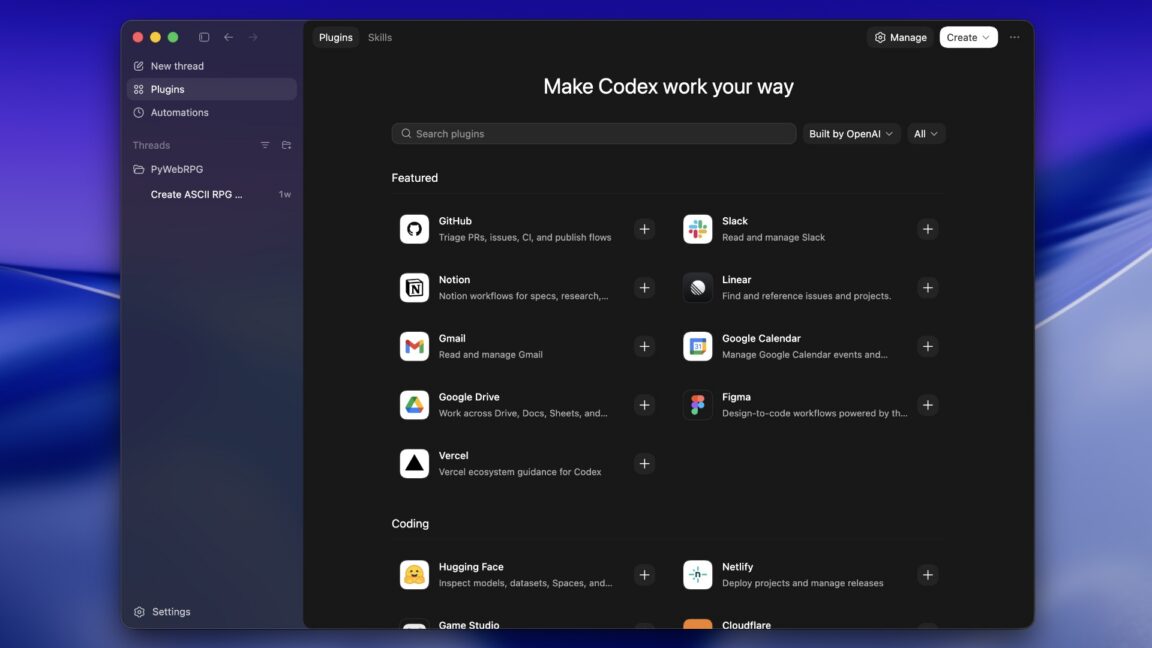
With new plugins feature, OpenAI officially takes Codex beyond coding

AI Research Is Getting Harder to Separate From Geopolitics
A policy change announced by NeurIPS, the world’s leading AI research conference, drew widespread backlash from Chinese researchers this week and then was quickly reversed.
Memory chip giant SK hynix could help end ‘RAMmageddon’ with blockbuster US IPO
SK hynix’s potential U.S. listing could raise $10-$14 billion to help it build more capacity, encourage others to follow, and end the 'RAMmageddon' memory shortage.
The latest in data centers, AI, and energy
Massive new data centers are the physical foundation for tech companies’ hopes and dreams for AI. But the rush to expand warehouses full of energy-hungry servers has also kicked up fights across the world over their impact on power grids, utility bills, nearby communities, and the environment.  From audacious plans to launch data centers into […]