
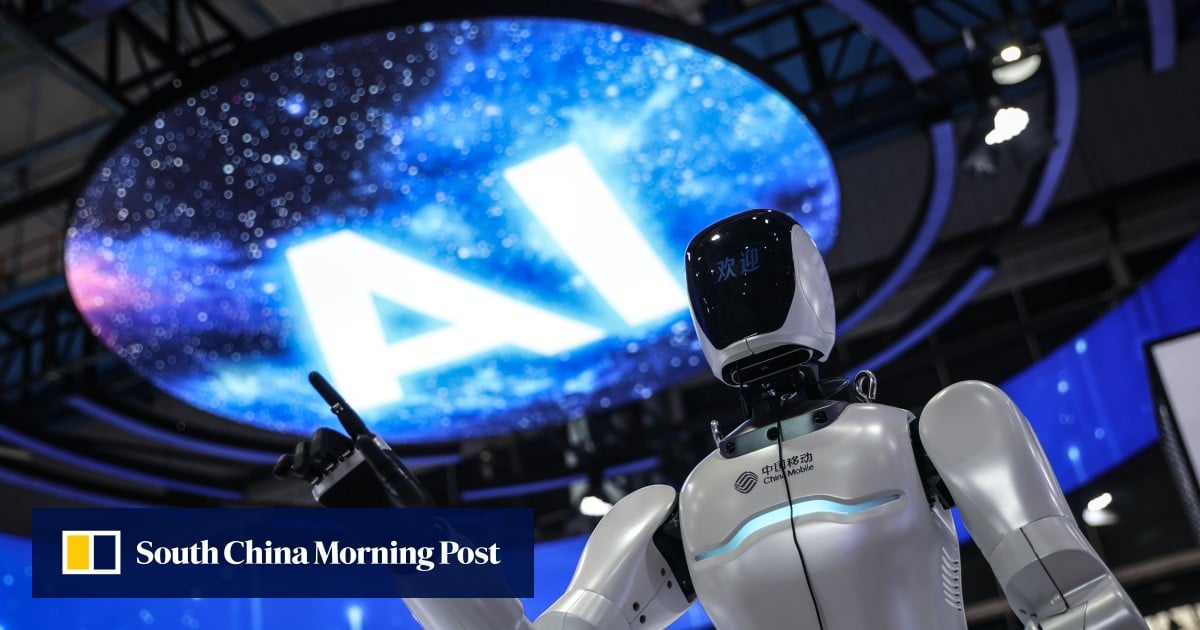
How can Beijing attract top-tier Chinese AI professionals based abroad?
Beijing should shift its strategy and improve ways to attract and retain top Chinese AI professionals as America’s accelerating integration of artificial intelligence into military and national security systems puts such talent in a bind. As geopolitical tensions rise, many highly skilled Chinese researchers working at US tech and research institutions are confronting a painful dilemma, according to Dai Mingjie, a researcher at the Institute of Public Policy at the Guangzhou-based South China...
Beijing should shift its strategy and improve ways to attract and retain top Chinese AI professionals as America’s accelerating integration of artificial intelligence into military and national security systems puts such talent in a bind.
As geopolitical tensions rise, many highly skilled Chinese researchers working at US tech and research institutions are confronting a painful dilemma, according to Dai Mingjie, a researcher at the Institute of Public Policy at the Guangzhou-based South China University of Technology.
Tighter security reviews, possible isolation from sensitive projects and identity conflicts were forcing them to “choose a side”, Dai said in an article published on the institute’s social media account on Monday.
“Faced with this situation, China should build regionally embedded talent ecosystems that allow top talent to truly integrate into the domestic innovation system, take root and grow within industry-academia-research collaboration,” Dai wrote.
Such a strategy would “help the country transition from a major trainer of AI talent to a genuine development highland for talent”, she added.
China’s strength in training large numbers of AI talent has not been matched by an equally robust development scene.
SCMP Tech (Asia AI)
https://www.scmp.com/news/china/politics/article/3349047/how-can-beijing-attract-top-tier-chinese-ai-professionals-based-abroad?utm_source=rss_feedSign in to highlight and annotate this article

Conversation starters
Daily AI Digest
Get the top 5 AI stories delivered to your inbox every morning.



Knowledge Map
Connected Articles — Knowledge Graph
This article is connected to other articles through shared AI topics and tags.
More in Countries

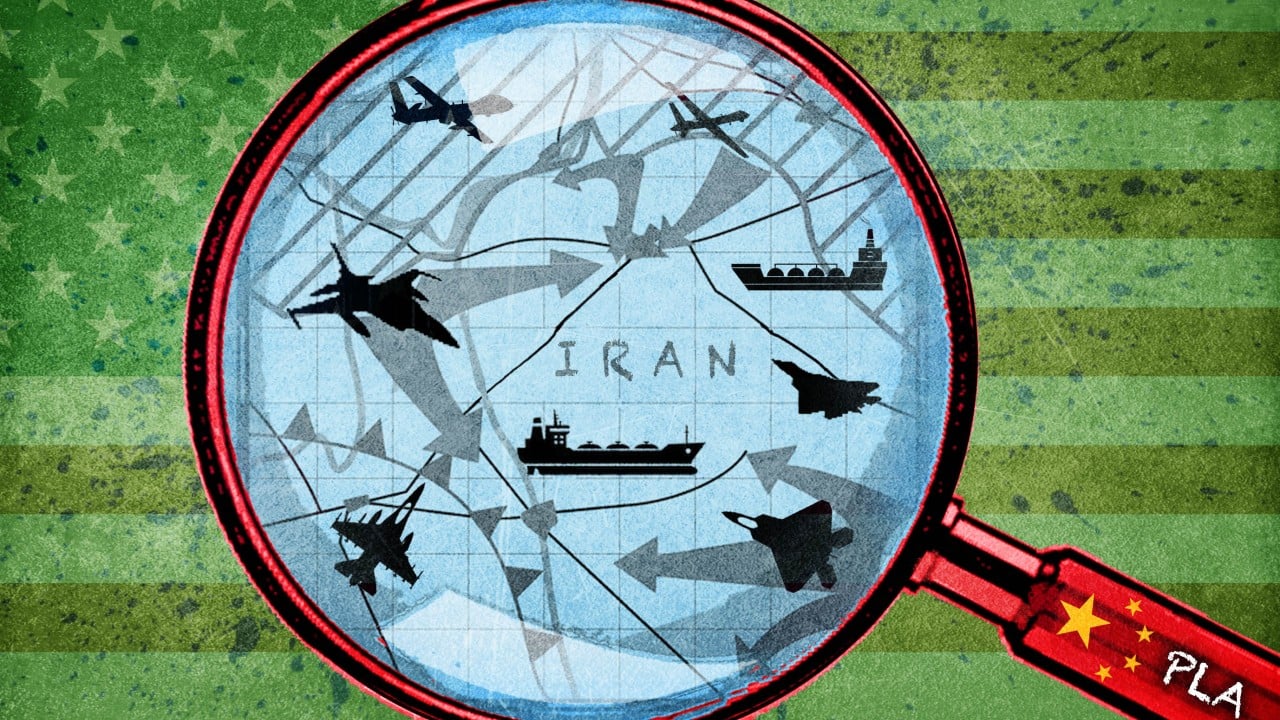
How lessons from Iran war could shape mainland China’s calculus on Taiwan
Whether it wraps up quickly or drags on, the repercussions of the US-Israeli war on Iran will echo for years, reshaping warfare, geopolitics, energy security and global perceptions of American tactical and strategic power. In the first of a three-part series, Mark Magnier looks at how the Iran war may alter Beijing’s approach to potential conflict over Taiwan, asymmetrical weaponry and the United States as an adversary. The US military is formidable, well-disciplined, projects deadly force...

Así se trabaja ya en España para impulsar el transporte autónomo
Para llegar al campus de la Universidad de Vigo (Uvigo) se necesita echar mano del coche o del transporte público. Solo unos pocos de sus centros se sitúan en el centro de la ciudad: la mayoría están en la ciudad universitaria que se levantó en los 90 en lo que hasta entonces eran montes. La dependencia de medios de transporte es, por tanto, incuestionable. Quizás por eso también este es un espacio con potencial para probar nuevos modelos de vehículos. Desde el inicio del año, el campus de Vigo está testeando cómo es la vida con un bus autónomo. El vehículo mueve al estudiantado (y a quien quiera probarlo) con una línea que recorre el campus, una ciudad universitaria que “reúne las condiciones ideales: un entorno complejo, con usuarios diversos y necesidades reales de transporte de última

Discussion
Sign in to join the discussion
No comments yet — be the first to share your thoughts!