

Fuel prices are soaring. Plastic could be next.
As the war in Iran continues to engulf the Middle East and the Strait of Hormuz stays closed, one of the most visible global economic ripple effects has been fossil-fuel prices. In particular, you can’t get away from news about the price of gasoline, which just topped an average of $4 a gallon in the
As the war in Iran continues to engulf the Middle East and the Strait of Hormuz stays closed, one of the most visible global economic ripple effects has been fossil-fuel prices. In particular, you can’t get away from news about the price of gasoline, which just topped an average of $4 a gallon in the US, its highest level since 2022.
But looking ahead, further consequences for the global economy could be looming in plastics. Plastics are made using petrochemicals, and the supply chain impacts of the oil bottleneck near Iran are starting to build up.
Plastic production accounts for roughly 5% of global carbon dioxide emissions today. And our current moment shows just how embedded oil and gas products are in our lives. It goes far beyond their use for energy.
As I write this, I’m wearing clothes that contain plastic fibers, typing on a plastic keyboard, and looking through the plastic lenses of my glasses. It’s hard to imagine what our world looks like without plastic. And in some ways, moving away from fossil-derived plastic could prove even more complicated than decarbonizing our energy system.
Crude oil prices have been on a roller-coaster in recent weeks, and prices have recently topped $100 a barrel.
Crude oil contains a huge range of hydrocarbons, and it’s typically refined by putting it through a distillation unit that separates the raw material into different fractions according to their boiling point. Those fractions then go on to be further processed into everything from jet fuel to asphalt binder. We’ve already seen the price spikes for some materials pulled out of crude oil, like gasoline and jet fuel.
Let’s zoom in on another component, naphtha. It can be added to gasoline and jet fuel to improve performance. It can also be used as a solvent or as a raw material to make plastics.
The Middle East currently accounts for about 20% of global naphtha production and supplies about 40% of the market in Asia, where prices are already up by 50% over the last month.
We’re starting to see these effects trickle down already. The price of polypropylene (which is made from naphtha and used for food containers, bottle caps, and even automotive parts) is climbing, especially in Asia.
Typically, manufacturers have a bit of stock built up, but that’ll be exhausted soon, likely in the coming weeks. The largest supplier of water bottles in India recently announced that it would raise prices by 11% after its packaging costs went up by over 70%, according to reporting from Reuters. Toys could be more expensive this holiday season as manufacturers grapple with supply chain concerns.
Americans will likely feel these ripples especially hard if disruptions continue. The average US resident used over 250 kilograms of new plastics in 2019, according to a 2022 report from the Organization for Economic Cooperation and Development. That’s an absolutely massive number—the global average is just 60 kilograms.
The effects of higher prices for both fuels and feedstocks could compound and multiply, and alternatives aren’t widely available. Bio-based plastics made with materials like plant sugars exist, but they still make up a vanishingly tiny portion of the market. As of 2025, global plastics production totaled over 431 million metric tons per year. Bio-based and bio-degradable plastics made up about 0.5% of that, a share that could reach 1% by 2030.
Bio-based plastics are much more expensive than their fossil-derived counterparts. And many are made using agricultural raw materials, so scaling them up too much could be harmful for the environment and might compete with other industries like food production.
Recycling isn’t the easy answer either. Mechanical recycling is the current standard method used for materials like the plastics that make up water bottles and disposable coffee cups. But that degrades the materials over time, so they can’t be used infinitely. Chemical recycling has its own host of issues—the facilities that do it can be highly polluting, and today plastics that go into advanced recycling plants largely don’t actually go into new plastics.
There’s been a lot of talk in recent weeks about how this energy crisis is going to push the world more toward renewable energy. Solar panels, electric vehicles, and batteries could suddenly become more attractive as we face the drastic consequences of a disruption in the global fossil-fuel supply.
But when it comes to plastic, the future looks far more complicated. Even though the plastics industry is facing much the same disruptions as the energy sector, there aren’t the same obvious alternatives available for a transition. Our lives are tied up in plastic, with uses ranging from the essential (like medical equipment) to the mundane (my to-go coffee cup). Soon, our economy could feel the effects of just how much we rely on fossil-derived plastics, and how hard it’s going to be to replace them.
This article is from The Spark, MIT Technology Review’s weekly climate newsletter. To receive it in your inbox every Wednesday, sign up here.
MIT Technology Review
https://www.technologyreview.com/2026/04/02/1135045/plastic-economic-effects/Sign in to highlight and annotate this article

Conversation starters
Daily AI Digest
Get the top 5 AI stories delivered to your inbox every morning.

Knowledge Map
Connected Articles — Knowledge Graph
This article is connected to other articles through shared AI topics and tags.
More in Countries

The ABS Challenge System is exposing the worst umpire in baseball
During Wednesday's game between the Tampa Bay Rays and the Milwaukee Brewers, umpire CB Bucknor took a foul ball to the mask and had to be helped off the field. It was the cap to what has been a particularly bad week for one of the most controversial umpires in baseball. It started with perhaps [ ]

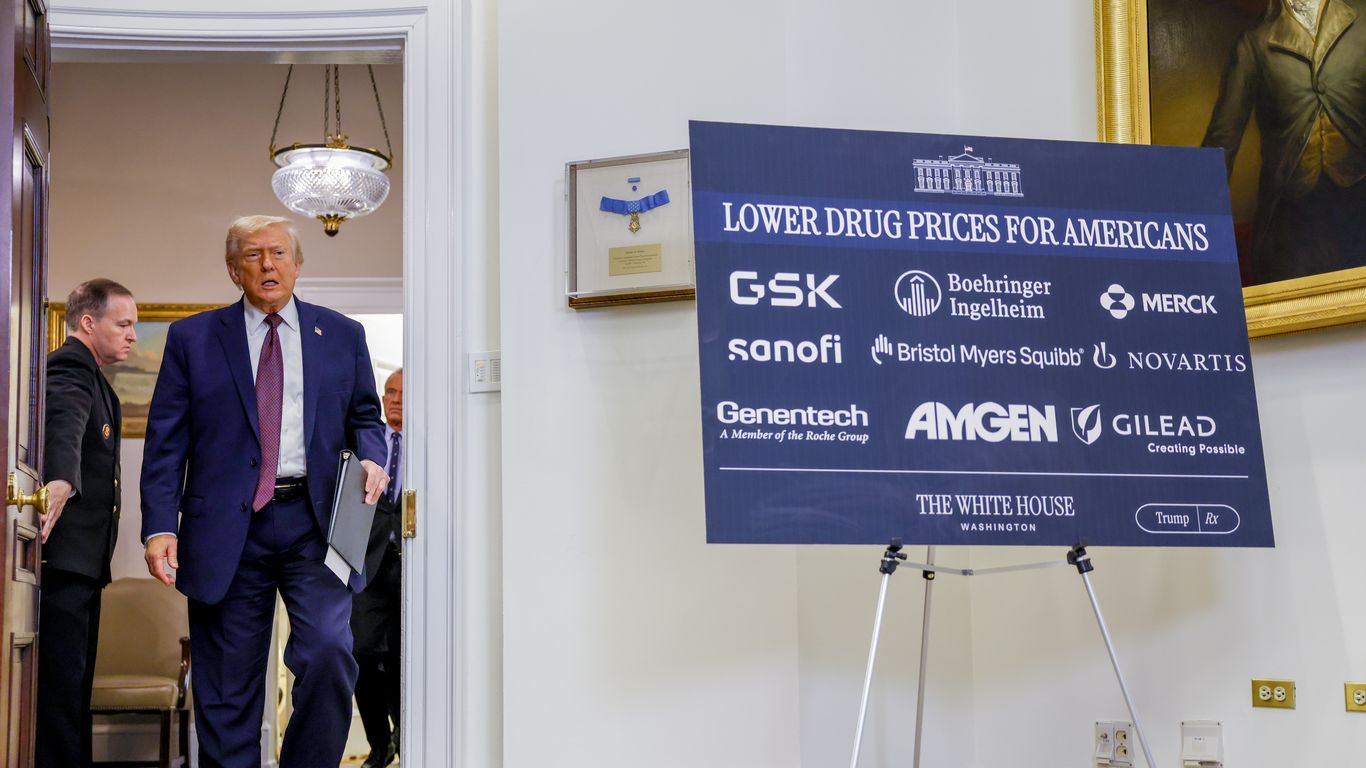
Trump administration announces new tariffs on drugmakers
The Trump administration said on Thursday that it would impose 100% tariffs on patented pharmaceuticals to force deals for lower drug prices and move manufacturing to America. Why it matters: It is the latest example of President Trump using tariffs as leverage over corporate America. Zoom in : The threat of tariffs, which has hung over the pharmaceutical industry for months, helped drive 13 drug companies to make "most-favored nation" pricing deals with the White House late last year. It is possible that more companies will strike these voluntary pricing deals with the administration, and the new tariff announcement could be further motivation to do so to be exempted. The new tariffs could also spark a wave of industry announcements about domestic manufacturing investments. Zoom in: A sen
Discussion
Sign in to join the discussion
No comments yet — be the first to share your thoughts!