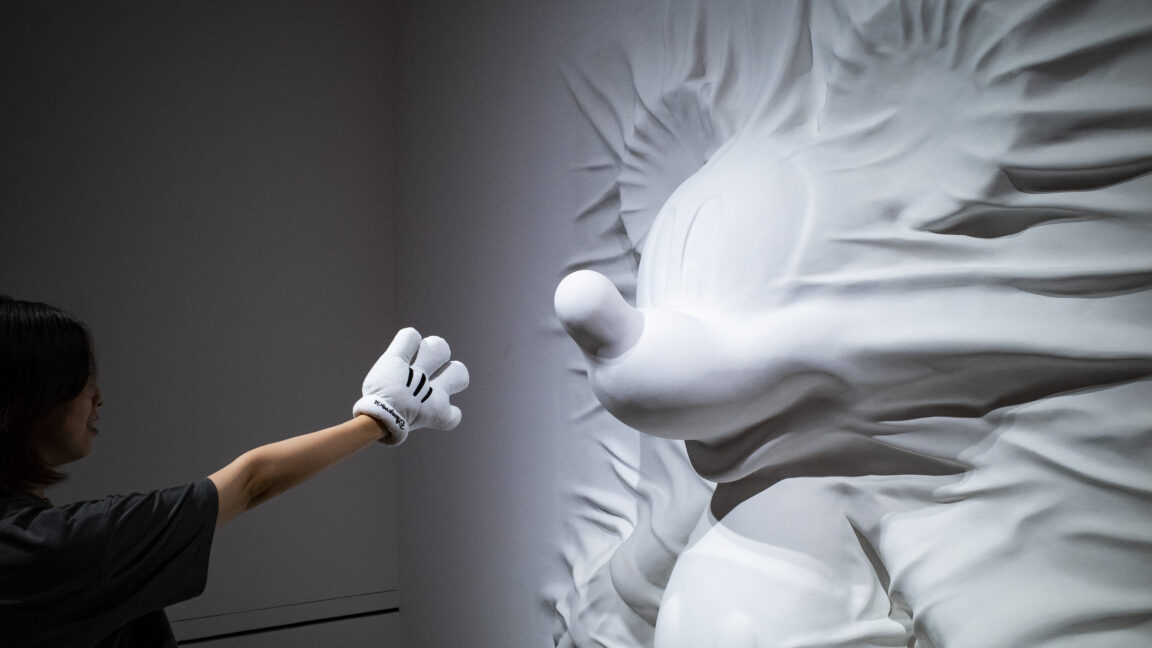
Disney cancels $1 billion OpenAI partnership amid Sora shutdown plans
That said, Reuters’ source also suggested that Disney and OpenAI were still discussing whether there was another way the companies could partner with or invest in each other.
No more shockwaves
The December announcement of the planned Disney/OpenAI partnership sent shockwaves through Hollywood, with many publicly worrying about what it meant for the future of physical actors and human-created cinematic content. By January, Disney CEO Bob Iger was talking about Sora-generated content appearing on Disney+ as part of an effort to make the service a destination for daily short form video.
“The demand for Disney characters in particular from our users is sort of off the charts,” OpenAI CEO Sam Altman told CNBC in December.
In the months since, though, Hollywood’s worries and attention have largely shifted from Sora to upstart AI video apps like SeeDance 2.0, which went viral with detailed videos of familiar characters in Hollywood-style scenes, complete with realistic cuts and camera angles. Disney was among the companies that sent a cease-and-desist letter to SeeDance-maker ByteDance last month, calling the app a “virtual smash-and-grab of Disney’s IP [that] is willful, pervasive, and totally unacceptable.” Disney has also made legal threats to Google and other companies it says trained on its copyrighted works without permission.
When the Sora 2 model launched in October, OpenAI initially asked copyright holders to actively opt out of having their works used as the basis for generated videos. Following a public outcry, OpenAI quickly changed direction and instead asked IP owners to opt in to work with Sora, with vague promises of future profit-sharing.
Sora quickly became a hit on mobile platforms following its October launch as a standalone app. But the outsize attention from users was short-lived—estimates from Appfigures Intelligence provided to Ars Technica suggest the app peaked at about 3.3 million downloads across iOS and Google Play in November before falling to just 1.1 million downloads in February.
Across those months, Appfigures Intelligence estimates Sora grossed just $2.14 million in revenue from 11.7 million downloads. That’s a drop in the bucket for a company the size of OpenAI, especially when you consider the massive costs associated with generating AI video.
Sign in to highlight and annotate this article

Conversation starters
Daily AI Digest
Get the top 5 AI stories delivered to your inbox every morning.
More about
OpenAIVideo GenerationAI Market


The latest in data centers, AI, and energy
Massive new data centers are the physical foundation for tech companies’ hopes and dreams for AI. But the rush to expand warehouses full of energy-hungry servers has also kicked up fights across the world over their impact on power grids, utility bills, nearby communities, and the environment.  From audacious plans to launch data centers into […]
Knowledge Map
Connected Articles — Knowledge Graph
This article is connected to other articles through shared AI topics and tags.
More in Products

The latest in data centers, AI, and energy
Massive new data centers are the physical foundation for tech companies’ hopes and dreams for AI. But the rush to expand warehouses full of energy-hungry servers has also kicked up fights across the world over their impact on power grids, utility bills, nearby communities, and the environment.  From audacious plans to launch data centers into […]