

Unpacking the message: visual cues to reduce bystander uncertainty about delivery drones in public spaces
As drones are deployed in public spaces for tasks such as package delivery, drones will encounter the public as bystanders passing by. The distinctive character of bystanders is that they are not the package recipients, so they lack prior information about the drone. Clear communication of drone intentions is essential to reduce uncertainty and improve public safety and trust. Limited research, however, has examined how a drone’s communication strategies affect bystanders. This online questionnaire study investigated how a drone’s visual cues affect bystanders' uncertainty about a drone’s intentions. Participants ( N = 150) viewed software simulated scenarios of drones delivering packages either by landing or by cable drop, each with or without visual interfaces (on-board lights, on-board
Could not retrieve the full article text.
Read on AI & Society Journal →Sign in to highlight and annotate this article

Conversation starters
Daily AI Digest
Get the top 5 AI stories delivered to your inbox every morning.
More about
studysafetyinterface
Uncensored AI models for the scientific and medical environment and for our medicinal foundations??
In my country, Chile, cannabis is gaining strength lately in the medical field. We help foundations, and I'm also a researcher who wants to understand cannabis better. With many recipes, extractions, and home cultivation methods, chatgpt sometimes helps and gives us instructions, but other times it doesn't, so we don't always get the answers we want. We pay the subscription, and nothing changes. submitted by /u/IntrepidBig5917 [link] [comments]

Knowledge Map
Connected Articles — Knowledge Graph
This article is connected to other articles through shared AI topics and tags.
More in Research Papers

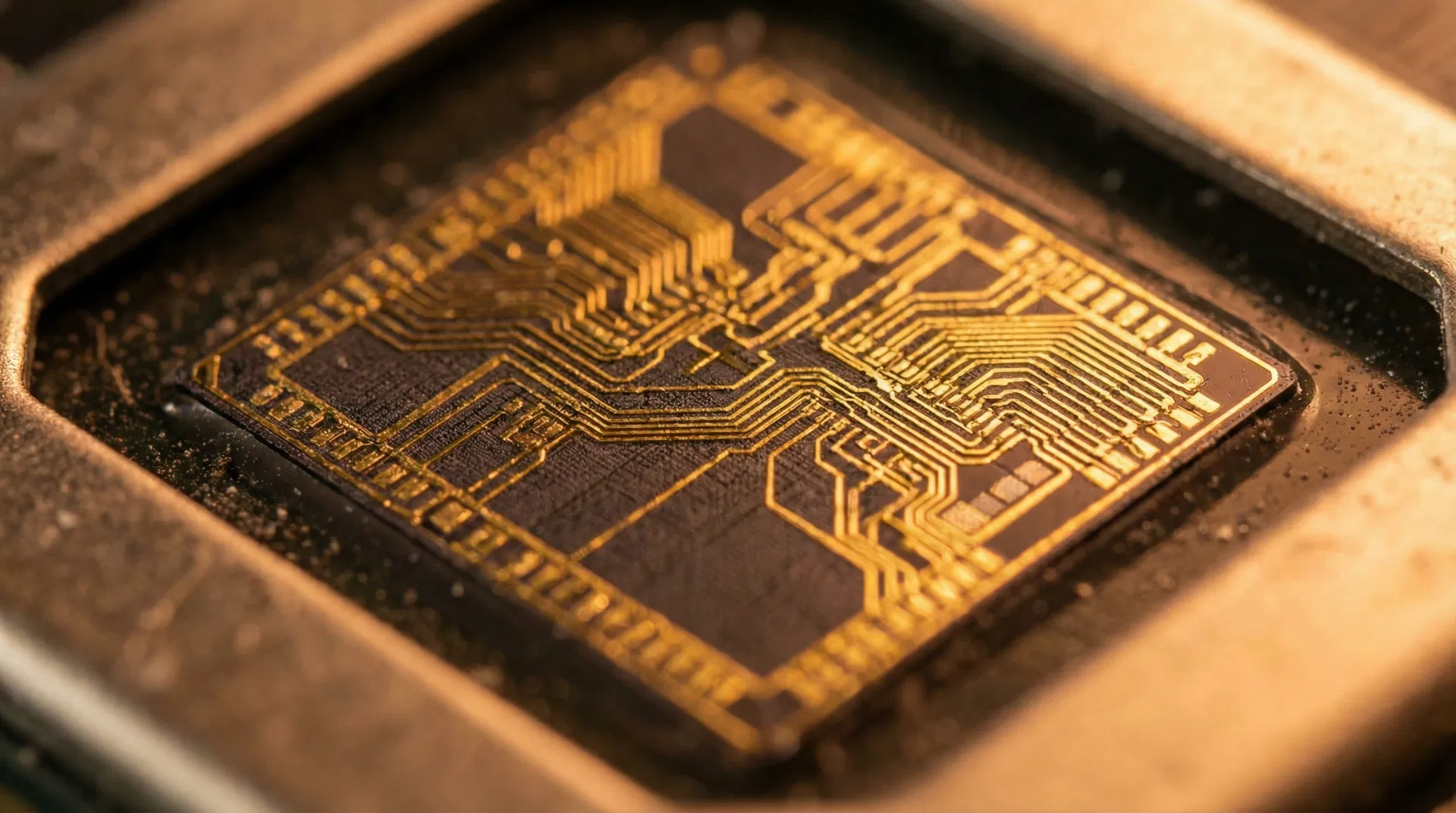
This Wi-Fi receiver can work inside a nuclear reactor, keeping robots connected
The research, presented at the IEEE International Solid-State Circuits Conference in San Francisco earlier this year, shows the receiver can continue operating after exposure to 500 kilograys of radiation. That level of endurance far exceeds what even space-grade electronics are designed to handle. Read Entire Article

Discussion
Sign in to join the discussion
No comments yet — be the first to share your thoughts!