
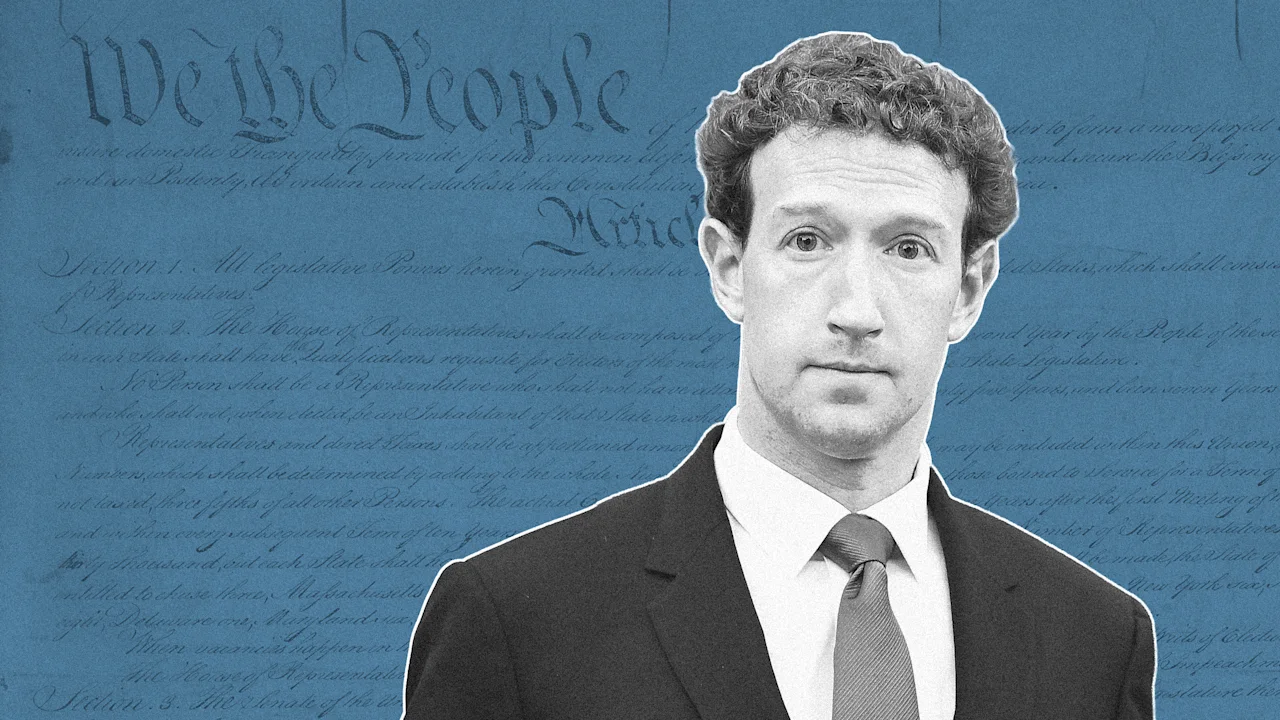
Social media’s ‘Big Tobacco’ moment may have finally arrived
A pair of landmark court cases found Meta and YouTube guilty last week of harming young users by designing algorithms that were addictive and led to mental health distress. The damages assessed against the companies amounted to a fraction of a percent of their annual earnings. The long-term implications, however, could be far more significant. The rulings found that programmed algorithms are not protected by Section 230, the federal law that shields social media companies from liability for user-posted content. That represents a crack in a legal defense these companies have relied on for years. And thousands of similar cases are already pending. Section 230 has been under scrutiny for some time. Lawmakers have repeatedly called for its repeal, though efforts so far have failed to gain trac
A pair of landmark court cases found Meta and YouTube guilty last week of harming young users by designing algorithms that were addictive and led to mental health distress. The damages assessed against the companies amounted to a fraction of a percent of their annual earnings. The long-term implications, however, could be far more significant.
The rulings found that programmed algorithms are not protected by Section 230, the federal law that shields social media companies from liability for user-posted content. That represents a crack in a legal defense these companies have relied on for years. And thousands of similar cases are already pending.
Section 230 has been under scrutiny for some time. Lawmakers have repeatedly called for its repeal, though efforts so far have failed to gain traction. Many in Congress appear to view the threat of repeal as leverage, hoping it will push tech companies to negotiate changes that reflect how the internet has evolved since the law was passed.
“Section 230 was created during the early advent of the internet, when lawmakers were trying to give emerging online companies room to innovate and experiment with technologies the public and policymakers barely understood,” says J.B. Branch, AI Governance and Technology Policy Counsel at Public Citizen. “It was never intended to operate as a permanent legal shield for some of the most powerful corporations in the world.”
Reframing the argument
Has Section 230 lost its protective power? Not yet.
The core premise of the law still holds: companies are not liable for user-generated content. What has changed is how plaintiffs can work around that protection. The new cases focus less on what users post and more on how platforms are designed.
In other words, product design may be the greater legal vulnerability.
Sign in to highlight and annotate this article

Conversation starters
Daily AI Digest
Get the top 5 AI stories delivered to your inbox every morning.
More about
productplatformservice
The bar is lower than you think
TL;DR: The efficient market hypothesis is a lie, there are no adults, you don't have to be as cool as the Very Cool People to contribute something, your comparative advantage tends to feel like just doing the obvious thing, and low hanging fruit is everywhere if you pay attention. The Very Cool People are anyways not so impossible to become; and perhaps most coolness is gated behind a self belief of having nothing to add. So put more out into the world, worry less about whether people already know or find it boring. At worst you'll be slightly annoying. How can you know, if you haven't even tried? Recently I've been commenting more on LessWrong [1] . This place is somehow the best [2] forum for sane reasoned discussion on the internet besides small academic-gated communities. A lot of post
Knowledge Map
Connected Articles — Knowledge Graph
This article is connected to other articles through shared AI topics and tags.
More in Laws & Regulation

Anthropic essentially bans OpenClaw from Claude by making subscribers pay extra
Using OpenClaw with Claude AI is about to get a lot more expensive, thanks to Anthropic's new policy changes. Beginning April 4th at 3PM ET, users will "no longer be able to use your Claude subscription limits for third-party harnesses including OpenClaw," according to an email sent to users on Friday evening. Instead, if users [ ]


Discussion
Sign in to join the discussion
No comments yet — be the first to share your thoughts!