
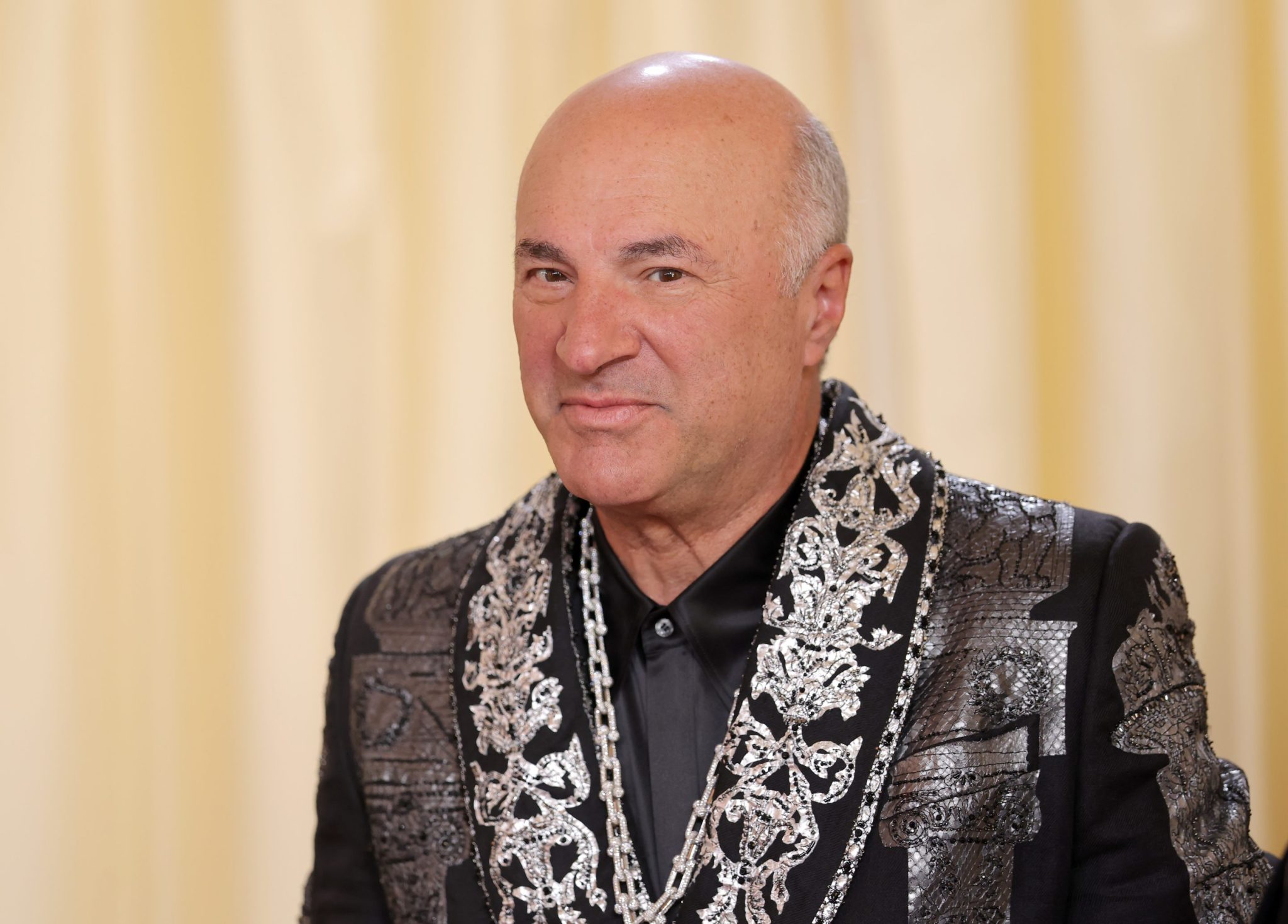
Kevin O’Leary says if you earn $68,000 a year and follow this rule, you’ll retire a millionaire
The Shark Tank star’s advice is simple—but does the math actually hold up?
As Americans are barely getting by because of inflation, tariffs, and a cost-of-living crisis, saving for retirement can feel like the priority lowest on the totem pole.
But multimillionaire serial investor and entrepreneur Kevin O’Leary says saving is more important than ever before.
“What piece of advice do I give my kids over and over and over again about money?” the Shark Tank star questioned in a recent Instagram video. “Don’t spend it. Save it. Invest it. Let it compound. That’s the gift the market gives you.”
O’Leary’s golden rule of investing is straightforward. He says to take 15% of every dollar you earn, whether it’s from your paychecks, side hustles, or birthday money from grandma, and put it directly into the market.
“Just let it compound,” he said.
For the average American worker who makes $68,000 per year, that simple rule will pay off in the end, he argued.
“If you make $68,000 a year, the average salary, and you do this your entire life, just 15% of your paycheck, you’ll end up a millionaire at retirement at 65,” O’Leary said.
Does Kevin O’Leary’s math check out?
Most national estimates place the average American salary at roughly $66,000 to $69,000 per year. Assuming O’Leary’s estimate of $68,000, the numbers would break down as follows.
Assuming O’Leary’s 15% rule, an American making $68,000 per year would save about $10,200 per year, or $850 per month. Invested consistently over a 40-year career, say from age 25 to 65, and assuming the S&P 500’s historical average return of roughly 10%, that $850 monthly contribution would grow to approximately $5.3 million by retirement.
Even using a more conservative average return of 7% would still put the average American in millionaire status, with a final portfolio worth around $2.2 million.
While the math works on paper, it’s becoming more unrealistic for average Americans to save that much money each month.
For workers in the $50,000–$79,999 income bracket, 55% report feeling behind on retirement savings, and this group is among the most likely to lack adequate preparation. The overall personal saving rate as of mid-2025 sits at just 4.4% of disposable income, according to the Bureau of Labor Statistics, meaning someone earning $68,000 saves roughly $3,000/year toward retirement, on average. Among 401(k) participants specifically, Vanguard data show the median total contribution rate (employee + employer) is about 11.5%, though this applies primarily to those with 401(k) access.
For a household earning $68,000 before taxes, take-home pay is about $52,000 to $54,000 after federal and state taxes, leaving just $3,600 per month for other expenses.
According to RentCafe, the average rent in the U.S. is $1,740 per month, leaving just about $1,860. Then tack on groceries, which Bureau of Labor Statistics data shows can be as high as $400 per month for a single person. (Now we’re down to about $1,460.)
Then there’s student loan payments (averaging $434 per month) and utilities (about $300 per month). That only leaves $726—not enough to meet the 15% of earnings saved that O’Leary suggested.
Even if we assume 15% of the average American’s take-home pay of about $52,000, that means they’d have to invest $650 per month (still making them a millionaire by age 65), but that leaves just $150 per month in discretionary pay.
O’Leary argues, though, that younger generations need to stop spending on unnecessary items.
“The best piece of advice I can give anybody: Don’t buy stuff you don’t need,” he insisted. “Invest it instead.”
What other investors say
O’Leary’s advice largely mirrors the advice of index fund investing long shared by Warren Buffett, who has repeatedly said the average investor is best served by putting money in a low-cost S&P 500 index fund and leaving it alone.
“Put 10% of the cash in short-term government bonds and 90% in a very low-cost S&P 500 index fund. (I suggest Vanguard’s),” Buffett wrote in a 2013 shareholders’ letter. “I believe the trust’s long-term results from this policy will be superior to those attained by most investors—whether pension funds, institutions, or individuals—who employ high-fee managers.”
Suze Orman, financial advisor, author, and podcast host, has also said Americans need to prioritize saving or investing at least 10% of their earnings each year—particularly given longer life expectancies and rising health care costs in retirement. She’s even argued that 70 should be the new retirement age because Americans aren’t financially prepared enough.
“You likely have plenty saved up to breeze through 15 years or so of retirement. But, people, if you stop working in your sixties, your retirement stash might need to support you for 30 years, not 15,” she wrote in 2017.
Fortune Tech
https://fortune.com/2026/03/31/kevin-oleary-investing-advice-become-millionaire-retirement/Sign in to highlight and annotate this article

Conversation starters
Daily AI Digest
Get the top 5 AI stories delivered to your inbox every morning.
More about
million


Jimini Health raises $17M to expand AI behavioral health platform
Jimini Health, an AI-enabled clinical health platform for behavioral health providers, announced it secured $17 million in seed funding, bringing its total raise to more than $25 million. M13, Town Hall Ventures, LionBird, Zetta Venture Partners and OneMind participated in the round. WHAT IT DOES
Knowledge Map
Connected Articles — Knowledge Graph
This article is connected to other articles through shared AI topics and tags.

Discussion
Sign in to join the discussion
No comments yet — be the first to share your thoughts!