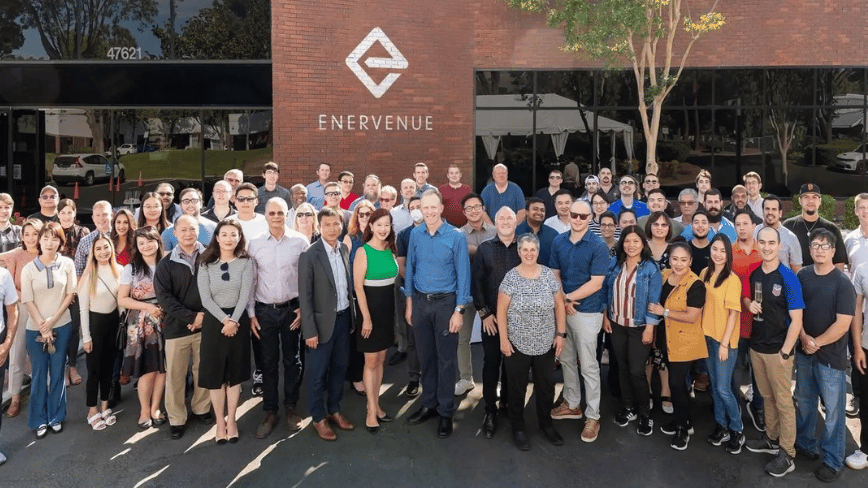
EnerVenue lands $300 million to bring NASA’s space batteries down to Earth
For decades, nickel-hydrogen batteries have been the quiet workhorses of space, powering the International Space Station and the Hubble Space Telescope through the extremes of orbit. Now, a California startup wants to put that same chemistry to work on the ground, and it just secured serious money to do it. EnerVenue has raised $300 million […] This story continues at The Next Web
For decades, nickel-hydrogen batteries have been the quiet workhorses of space, powering the International Space Station and the Hubble Space Telescope through the extremes of orbit. Now, a California startup wants to put that same chemistry to work on the ground, and it just secured serious money to do it.
EnerVenue has raised $300 million in a Series B extension led by Full Vision Capital, the family office of Hong Kong billionaire Peter Lee Ka-kit. The round, which brings the company’s total funding to $445 million according to Crunchbase, will fund the scale-up of its non-lithium metal-hydrogen energy storage systems at a factory in Changzhou, China, with ambitions to reach gigawatt-scale production capacity.
The company has simultaneously appointed Henning Rath, a veteran technology executive who previously helped build German renewable energy equipment maker Enpal, as its new global CEO. It also announced plans to establish a regional headquarters and innovation centre in Hong Kong, with backing from the government-backed Hong Kong Investment Corporation.
“The capital is crucial for further research and development of our core technologies, the ramp-up of large-scale manufacturing, reinforcement of supply-chain robustness, and expansion of global commercial reach,” Rath said in a statement reported by the South China Morning Post.
Founded in 2020 by Yi Cui, a professor of materials science and engineering at Stanford University, EnerVenue has built its business around adapting nickel-hydrogen cells, a technology proven across decades of aerospace use, for terrestrial grid-scale storage. The company’s batteries use a water-based electrolyte rather than the flammable organic solvents found in lithium-ion systems, which eliminates fire risk and allows them to operate across a temperature range of -40 to 50 degrees Celsius.
The pitch is less about raw energy density and more about longevity and total cost of ownership. Where lithium-ion batteries typically degrade over a few thousand charge cycles, EnerVenue claims its metal-hydrogen cells can endure tens of thousands of cycles while remaining safe and cost-effective over their full lifespan.
That proposition has drawn interest from heavyweight backers. Aramco Ventures, Saudi Arabia’s oil giant investment arm, is among the company’s earlier investors, alongside NEOM Investment Fund, SAIC Capital, and IDG Capital, according to data from Crunchbase and PitchBook. In 2021, Hong Kong and China Gas Company, known as Towngas, secured an exclusive distribution agreement for EnerVenue’s products in mainland China. Towngas, where Lee also serves as chairman, is a minority shareholder in the company.
The investment arrives at a moment when the global energy storage market is under intense pressure to diversify beyond lithium-ion. The rapid expansion of AI-driven data centres, alongside the continued build-out of renewable generation capacity, has created surging demand for grid-scale storage that is reliable, long-lasting, and safe. EnerVenue’s nickel-hydrogen technology competes in this space with a range of alternatives, including iron-air batteries from Form Energy, vanadium flow batteries from companies such as ESS Inc. and Invinity, as well as established lithium-ion providers and even pumped hydro storage.
EnerVenue’s immediate expansion plans centre on its Changzhou facility in China’s Jiangsu province, where it aims to bring a 250 MWh production line online by 2026, with an eventual target of one gigawatt-hour of annual capacity. Beyond manufacturing, the company intends to use Hong Kong as a base to push into Asia-Pacific, Middle Eastern, and European markets, focusing on utility-scale projects, industrial applications, and infrastructure that demands reliable, long-duration power.
Time magazine named EnerVenue one of the top 10 US green technology companies in 2025, a recognition that speaks to the broader interest in alternatives to lithium’s dominance. Whether the company can translate aerospace pedigree and billionaire backing into a genuine challenger at grid scale remains the central question. The $300 million, and the new leadership to spend it, suggest its investors believe the answer is yes.
Sign in to highlight and annotate this article

Conversation starters
Daily AI Digest
Get the top 5 AI stories delivered to your inbox every morning.
More about
startupmillionnational
Gen AI startup Runway announces $10m venture fund - Global Venturing
<a href="https://news.google.com/rss/articles/CBMikwFBVV95cUxOOXBERmViU2JZbnNuU3o2bnBqOHplblk3cXJGWW1WWjBET2hmNFhDT0RObnFIUnZueVZYbkxfZXY5RU1sTGRCV2pKTW9aWERqZTMzeW10eE52RFRRSG9BT0JpYURwOC1Mb0R2RldLTktUQnV4bXNQNXd5dVBqQUlKRHYxUHRVcVV2aVg0cmEtWV9jSUU?oc=5" target="_blank">Gen AI startup Runway announces $10m venture fund</a> <font color="#6f6f6f">Global Venturing</font>

Researcher Warns Generative AI May Reinforce Harmful Leadership Patterns - The National Law Review
<a href="https://news.google.com/rss/articles/CBMisgFBVV95cUxONVJCMF9Yd3NGSThhUTJFd3JZRTU2c2ZSd29PWXBVeThfcXdDOVRkaGlWM0lZQmVZSTM5Z1NWaGJrckE5bGFWbjBEMXhvd2NqOG1DUUJ2dERPd0ZOd202alctRWFPS3VMTkVVM3NWQ09ld184Umt3Ny1CQzhjQk40cnB6RllUaGRyUTVyMmRtcXVmME9lQ3VzdWxTc2pYSEZDUzNyanJPWUxBMzQtSnFnc0xR?oc=5" target="_blank">Researcher Warns Generative AI May Reinforce Harmful Leadership Patterns</a> <font color="#6f6f6f">The National Law Review</font>
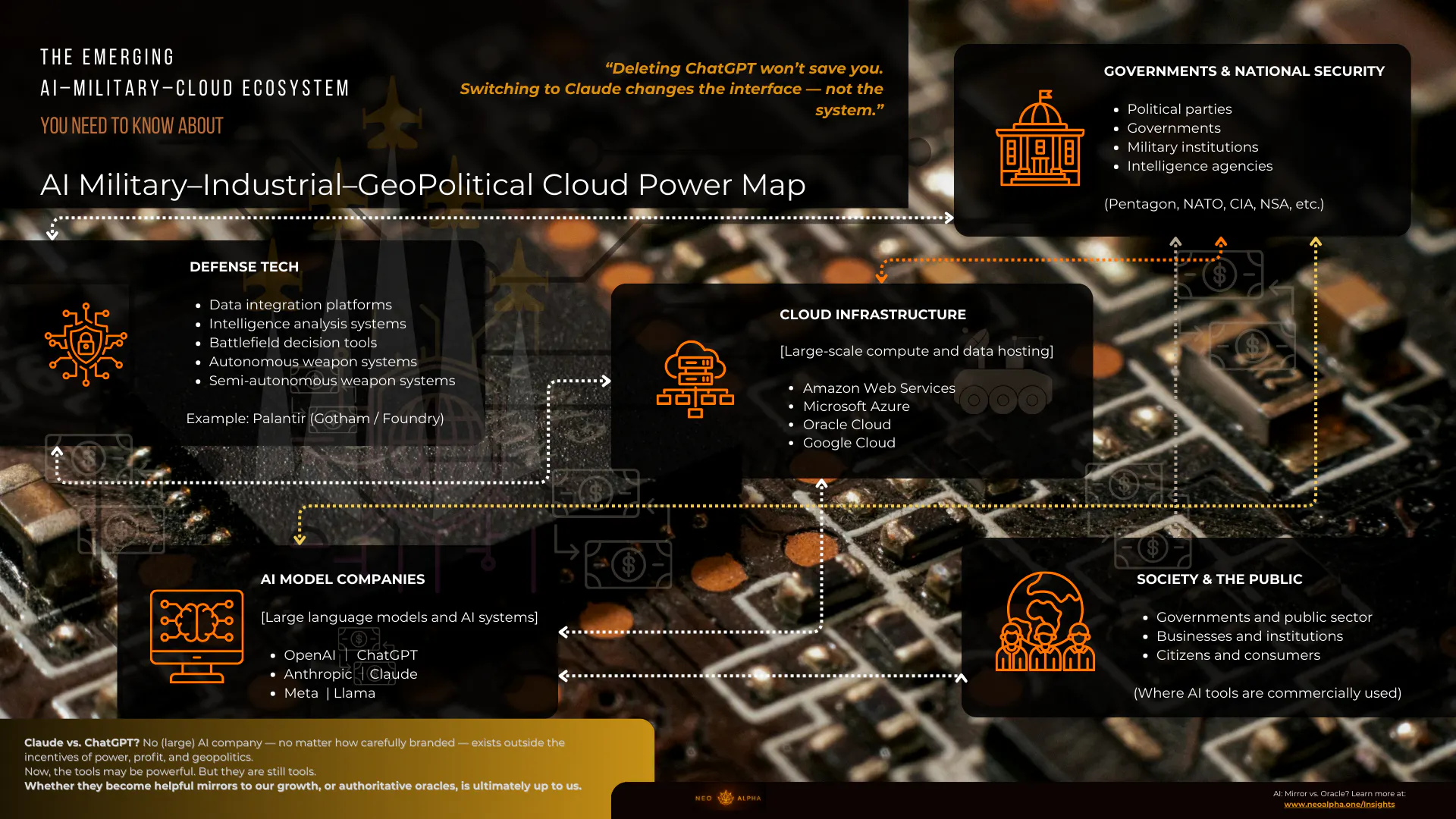
The Ethics Theater of AI: Why Switching From ChatGPT to Claude Changes Less Than You Think
When a tech company draws a moral line, follow the money first — and ask questions later. Because the uncomfortable truth is that every major AI company today sits inside the same political and economic ecosystem — one deeply intertwined with governments, military contracts, and national security interests. Welcome to late-stage capitalism. And/or techno-feudalism. Switching chatbots may change the interface. And that uneasy feeling in your gut. It hardly changes the system. Read All
Knowledge Map
Connected Articles — Knowledge Graph
This article is connected to other articles through shared AI topics and tags.
More in Products

Roland Go:Mixer Studio review: Portable, professional and plenty of polish
Way back in 2017, Roland carved out a little niche for itself with the introduction of the Go:Mixer line. The small, portable audio interfaces are a convenient way to connect a mic and multiple musical instruments (or audio sources) to your phone for more professional public performances or on-the-go recording. At this year’s NAMM show, the company unveiled the latest in the family — the Go:Mixer Studio — and it’s the most premium version to date. The Studio adds a display, multitrack output and onboard effects along with a far more luxurious design. At $300, there’s also a far more luxurious price tag. The Go:Mixer Pro-X was already a capable option, and competing products from Mackie and Zoom are also vying for your hard-earned musical dollars. The big question, then, is can the Studio m
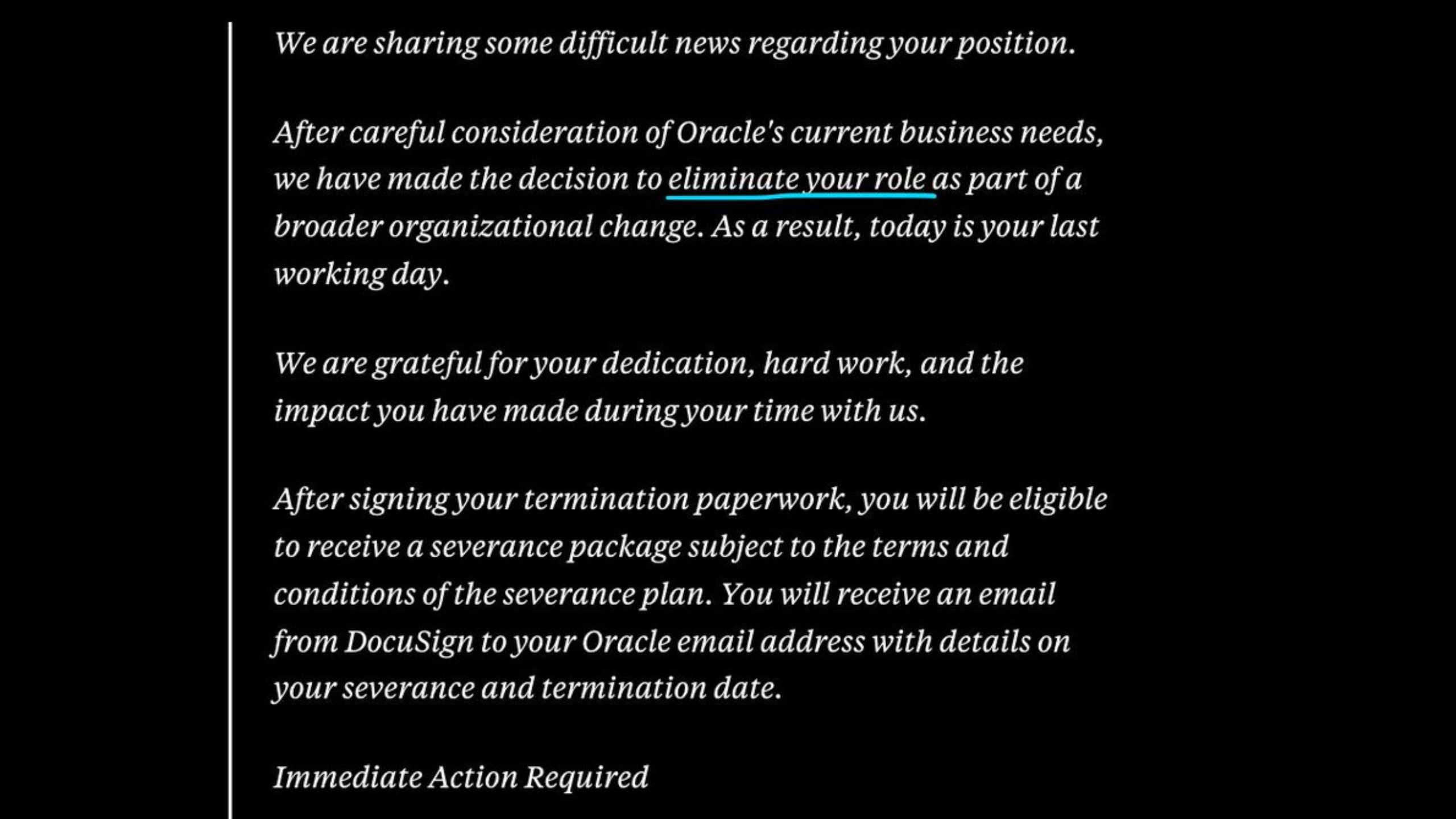
Oracle Fires 30,000 With a Cold 6 a.m. Email: Here's What It Said That Devastated Teams
The impact of Oracle's global layoff of 30,000 employees is linked to its AI expansion and financial strategies. Learn how this decision affects workers and the company's future.

Trump Administration Approves Higher Ethanol Fuel: What to Know About E15 Gas Before Your Next Fill-Up
The EPA's temporary waiver for E15 fuel, a 15% ethanol blend, aims to reduce gasoline prices. Explore its effects on vehicle compatibility, fuel economy, and market dynamics amid global energy volatility.

7 Essential AI Website Builders: From Prompt to Production - KDnuggets
<a href="https://news.google.com/rss/articles/CBMiiwFBVV95cUxOWE1JcERKeEoxS1B4WGJVZlVzN3lTMzFjMW1KWFVibXZrSWpucmQ0WUlObnNVS3RzcVZablVBNnJuMk5aQkFSWW1GU0d5Vkh5cmZOQ2p2cE9OQmlESmprX0hkOHB0b2V2QTVraWxRNXNpdTdnUFdNa25YSWlrcExQSWd0SDFEZDJnaWNN?oc=5" target="_blank">7 Essential AI Website Builders: From Prompt to Production</a> <font color="#6f6f6f">KDnuggets</font>
Discussion
Sign in to join the discussion
No comments yet — be the first to share your thoughts!