
Developers Who Don’t Adapt to AI Won’t Disappear, They’ll Be Ignored
<p>I’ve been observing something interesting over the last year.</p> <p>There’s a lot of noise around AI replacing developers.</p> <p>But that’s not what’s actually happening.</p> <p>Developers are not disappearing.</p> <p>They’re becoming invisible.</p> <p><strong>The Fear Is Wrong</strong></p> <p>Most developers are asking the wrong question:</p> <blockquote> <p>“Will AI replace me?”</p> </blockquote> <p>That’s not the real risk.</p> <p>The real risk is much quieter.</p> <p>You continue working.<br> You continue coding.<br> You continue shipping.</p> <p>But slowly…</p> <p>Fewer people reach out.<br> Fewer opportunities come your way.<br> Fewer decisions involve you.</p> <p>Not because you’re bad.</p> <p>But because you’re no longer relevant at the highest level of leverage.</p> <p><a hre
I’ve been observing something interesting over the last year.
There’s a lot of noise around AI replacing developers.
But that’s not what’s actually happening.
Developers are not disappearing.
They’re becoming invisible.
The Fear Is Wrong
Most developers are asking the wrong question:
“Will AI replace me?”
That’s not the real risk.
The real risk is much quieter.
You continue working. You continue coding. You continue shipping.
But slowly…
Fewer people reach out. Fewer opportunities come your way. Fewer decisions involve you.
Not because you’re bad.
But because you’re no longer relevant at the highest level of leverage.
The Shift Is Not About Coding
AI is not competing with developers on effort.
It’s competing on speed, iteration, and optionality.
What used to take:
-
3 days → now takes 3 hours
-
3 engineers → now takes 1 engineer + AI
-
10 iterations → now happens in a single session
This changes the game completely.
The value is no longer in writing code.
The value is in:
-
Deciding what to build
-
Structuring problems
-
Guiding AI effectively
-
Making judgment calls
The Rise of the AI-Native Developer
There’s a new category emerging.
Not better coders.
Better orchestrators.
These developers:
-
Don’t start with code
-
They start with clarity
-
They use AI to explore multiple approaches instantly
-
They validate ideas before committing deeply
They don’t just build faster.
They build smarter systems.
The Dangerous Middle
Here’s where most developers will get stuck:
-
Not beginners
-
Not AI-native
-
Not irrelevant… but not exceptional
This is the most fragile position.
Because:
-
They can still do the work
-
But they can’t compete with AI-accelerated developers
And in a leverage-driven world, “average” doesn’t get selected.
It gets ignored.
This Is Not About Tools
This is where many people go wrong.
They think adapting to AI means:
-
Learning a new framework
-
Using a few AI tools
-
Trying prompt engineering once in a while
That’s surface-level.
Real adaptation means:
-
Thinking in systems
-
Breaking problems into components
-
Designing workflows where AI is embedded
AI is not a feature.
It’s a new layer of thinking.
The New Selection Criteria
In the near future, developers won’t be evaluated on:
-
Lines of code
-
Syntax knowledge
-
Framework familiarity
They will be evaluated on:
-
Problem clarity
-
Speed of execution
-
Ability to leverage AI
-
Decision-making under uncertainty
This is a different skill stack.
The Silent Career Shift
No layoffs. No announcements. No dramatic collapse.
Just a gradual shift where:
-
AI-native developers get the best projects
-
They move faster
-
They deliver more
-
They become the default choice
And everyone else…
Keeps working, but with less impact.
Final Thought
This is not a warning.
It’s a filter.
AI is not removing developers.
It is revealing who is thinking, and who is just executing.
In the past, execution was enough.
Now, it’s just the baseline.
And anything that is baseline…
Can be ignored.
DEV Community
https://dev.to/jaideepparashar/developers-who-dont-adapt-to-ai-wont-disappear-theyll-be-ignored-15p0Sign in to highlight and annotate this article

Conversation starters
Daily AI Digest
Get the top 5 AI stories delivered to your inbox every morning.
More about
announcefeaturecomponent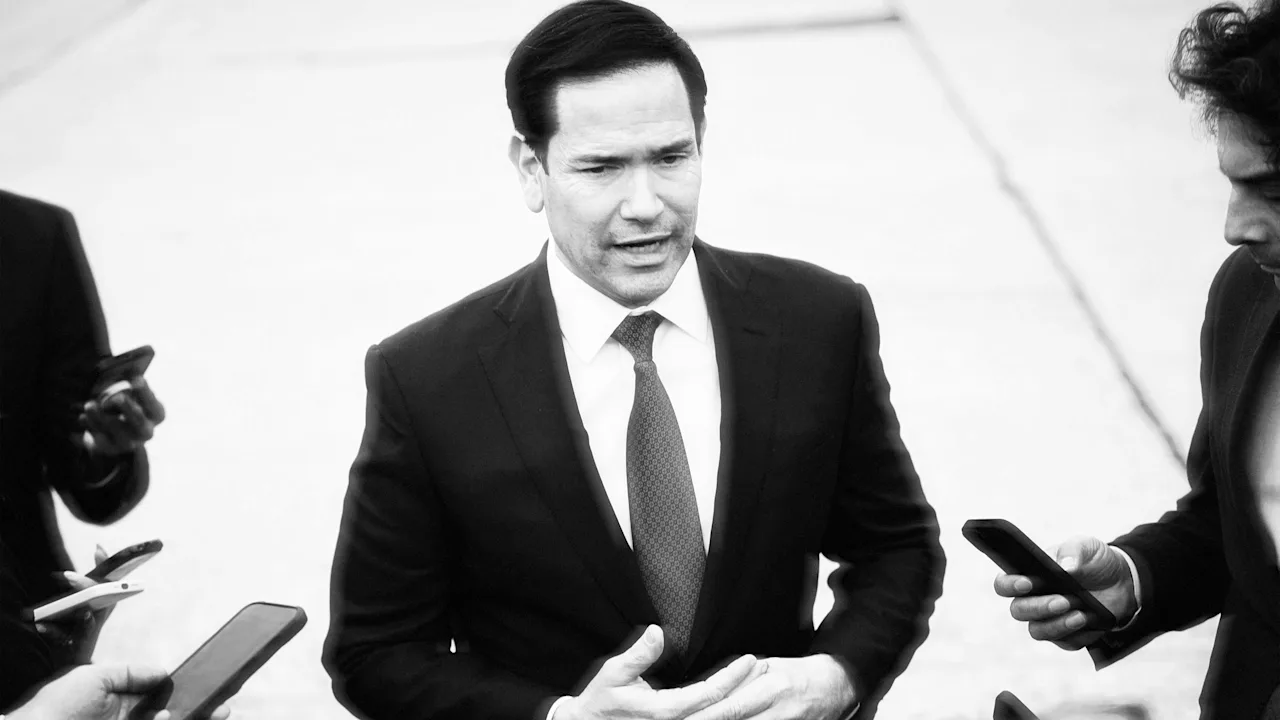
4 AI chatbots tried to fact-check Rubio on Iran. They couldn’t agree
On Monday, March 30, Secretary of State Marco Rubio told Good Morning America ’s George Stephanopoulos that the U.S. objectives in the Iran war are exactly the same as those laid out by President Donald Trump on February 28, when the U.S. and Israel launched airstrikes across the country. The consistency of the objectives over the past month of fighting is a sensitive issue; the White House doesn’t want to appear to have whittled down its strategic goals so that it can depart the conflict sooner. “This operation is about a set of very specific objectives; the president laid them out on the very first night of operations,” Rubio told Stephanopoulos. “I ll repeat them to you now because I hear a lot of talk about we don t know what the clear objectives are. Rubio then listed four objectives:
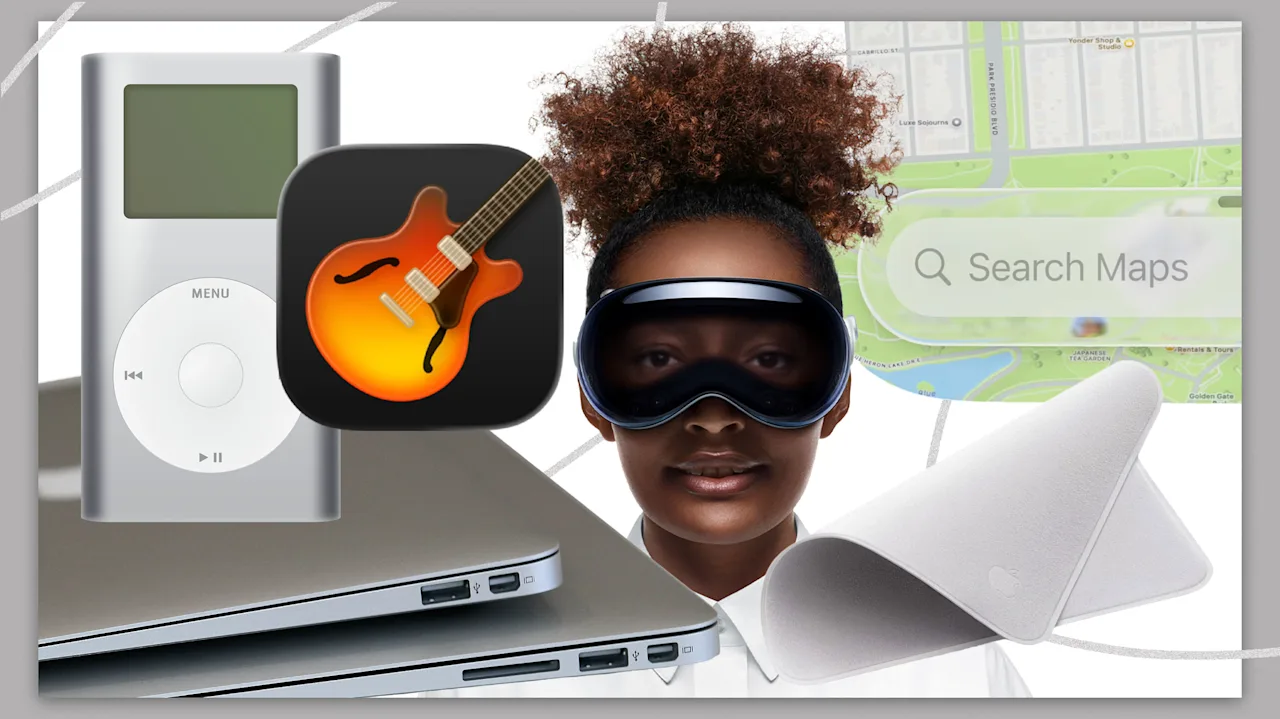
Apple at 50: The tech giant’s best, worst, and weirdest ideas
Founded by Steve Jobs and Steve Wozniak, Apple officially incorporated on April 1, 1976. The company helped usher in the era of personal computing, pairing meticulous design with tight hardware–software integration and a simple promise: It just works . Its history has been anything but linear. There were early breakthroughs, a near-collapse in the 1990s , and a dramatic revival after Jobs returned, followed by a run of mass-market hits beginning with the iPod and accelerating with the iPhone. All told, Apple has over five decades launched category-defining products, shelved its share of misfires, and pushed some genuinely odd ideas. These are the clearest examples of each. Apple s best iPod Mini: While the original iPod transformed music consumption and kicked off Apple s ascent as a consu
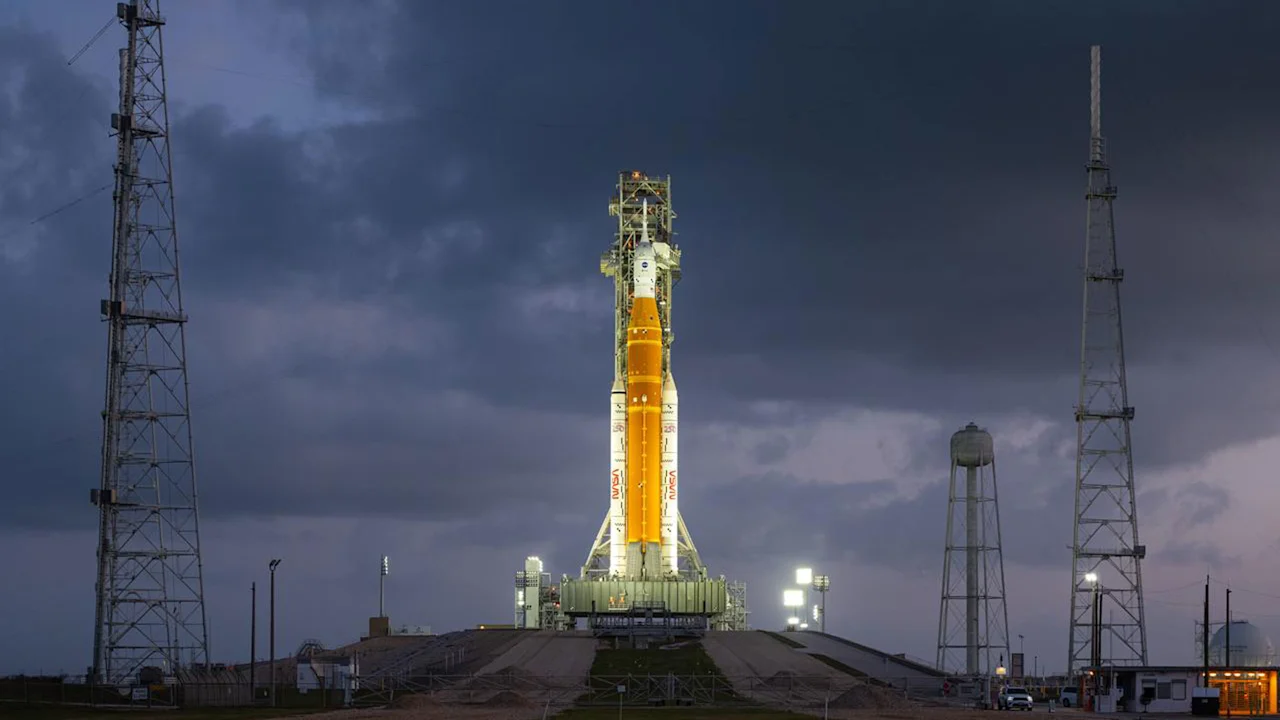
Artemis II: Why our return to the moon took so long
While I was leading a tour of the National Air and Space Museum in January 2026, a visitor posed this insightful question: “Why has it taken so long to return to the moon?” After all, NASA had the know-how and technology to send humans to the lunar surface more than 50 years ago as part of the Apollo program . And, as another tour guest reminded us, computers today can do so much more than they could back then, as evidenced by the smartphones most of us carry in our pockets. Shouldn’t it be easier to get to the moon than ever before? The truth is that sending humans into space safely continues to be difficult , especially as missions increase in complexity. New technologies require years of study, development, and testing before they can be certified for flight. And even then, systems and
Knowledge Map
Connected Articles — Knowledge Graph
This article is connected to other articles through shared AI topics and tags.
More in Products

Q&A: Killian Brackey on Building AI That Holds Up
In this conversation, Brackey shares how his early curiosity shaped his approach to technology, why AI demands more discipline than spectacle, and how Sezzle is building systems designed to hold up when people rely on them.
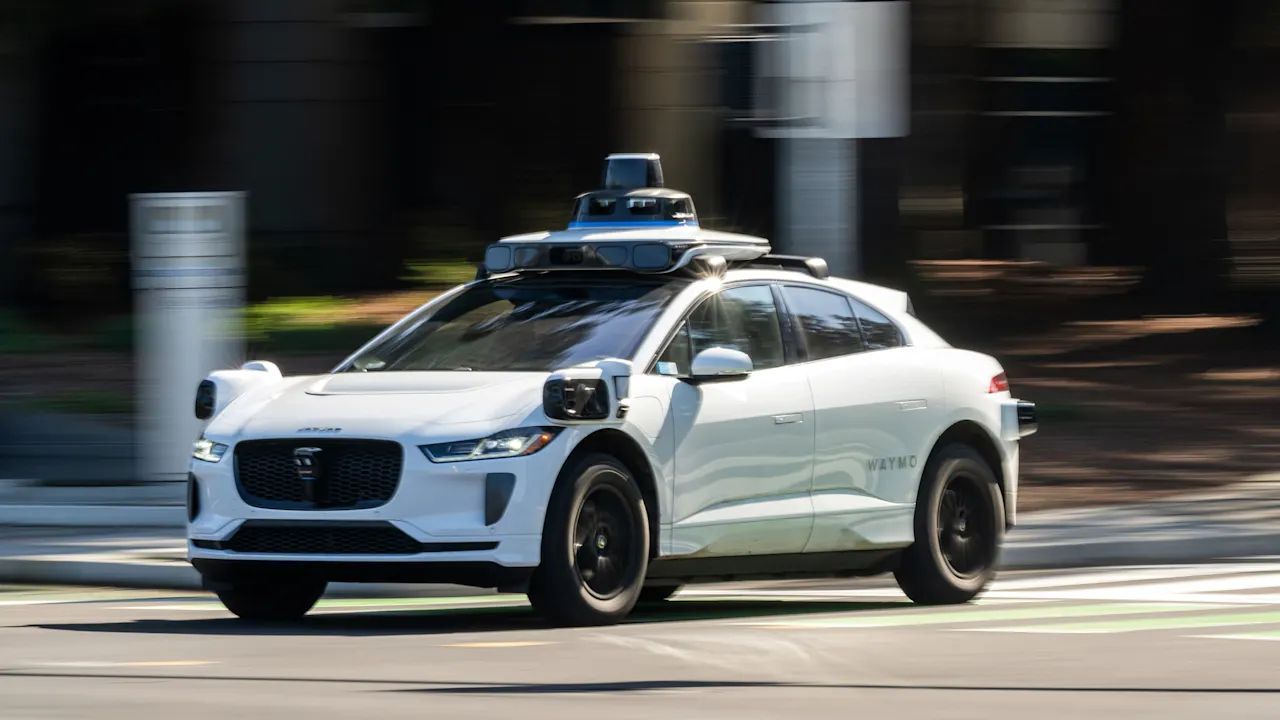
Massachusetts Sen. Ed Markey is putting AV firms on blast for using human staffers
A new investigation from Sen. Ed Markey has zeroed in on the human staffers who operate behind-the-scenes at self-driving car companies like Waymo, Tesla, and Zoox. While many of these companies emphasize that they seek to automate most aspects of driving, they still depend on humans to assist these cars when their software encounters confusing situations—or fails. The investigation began at the beginning of February and was led by Markey, who has taken a particular interest in the self-driving car industry. The study involved sending letters to seven companies working on autonomous vehicles—Aurora, May Mobility, Motional, Nuro, Tesla, Waymo, and Zoox—and asking them detailed questions about when and how they deploy human remote operators or assistants. None of the seven companies that Mar
Apple at 50: The tech giant’s best, worst, and weirdest ideas
Founded by Steve Jobs and Steve Wozniak, Apple officially incorporated on April 1, 1976. The company helped usher in the era of personal computing, pairing meticulous design with tight hardware–software integration and a simple promise: It just works . Its history has been anything but linear. There were early breakthroughs, a near-collapse in the 1990s , and a dramatic revival after Jobs returned, followed by a run of mass-market hits beginning with the iPod and accelerating with the iPhone. All told, Apple has over five decades launched category-defining products, shelved its share of misfires, and pushed some genuinely odd ideas. These are the clearest examples of each. Apple s best iPod Mini: While the original iPod transformed music consumption and kicked off Apple s ascent as a consu
PickNik Robotics gives MoveIt Pro 9.0 enhanced perception-to-motion, teleop capabilities
MoveIt Pro 9.0 strengthens workflows for commercial cleaning, sanitation, and vehicle-washing robots, says PickNik. The post PickNik Robotics gives MoveIt Pro 9.0 enhanced perception-to-motion, teleop capabilities appeared first on The Robot Report .
Discussion
Sign in to join the discussion
No comments yet — be the first to share your thoughts!